
Governor of Matrouh Witnesses the Launch of the Second Pilot Area for the Integrated Coastal Zone Management (ICZM) Plan
16 February 2026
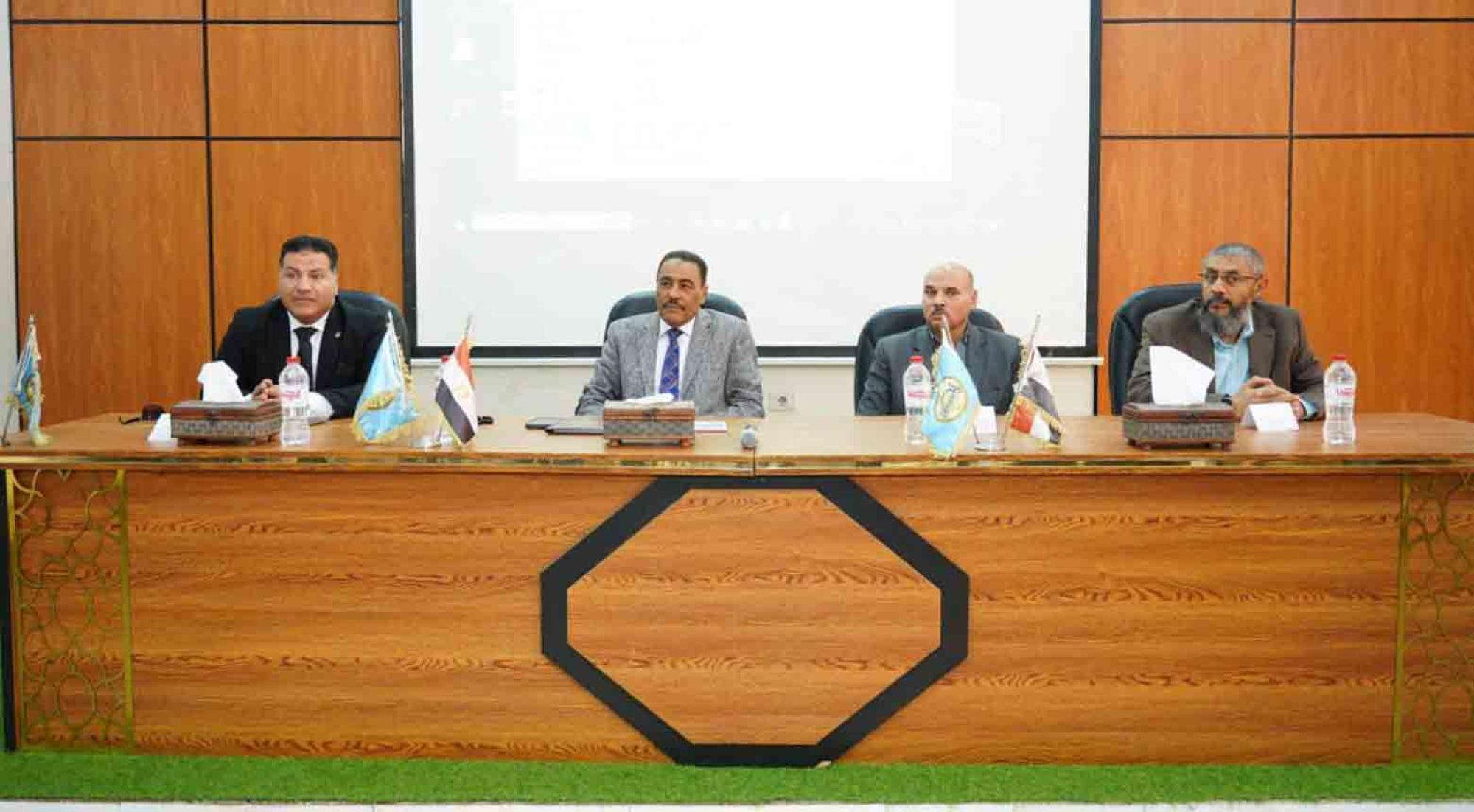
Governor of Matrouh Witnesses the Launch of the Second Pilot Area for the Integrated Coastal Zone Management (ICZM) Plan
Khaled Shoaib: Matrouh is a fundamental pillar in the climate change adaptation strategy and the securing of resources for future generations.
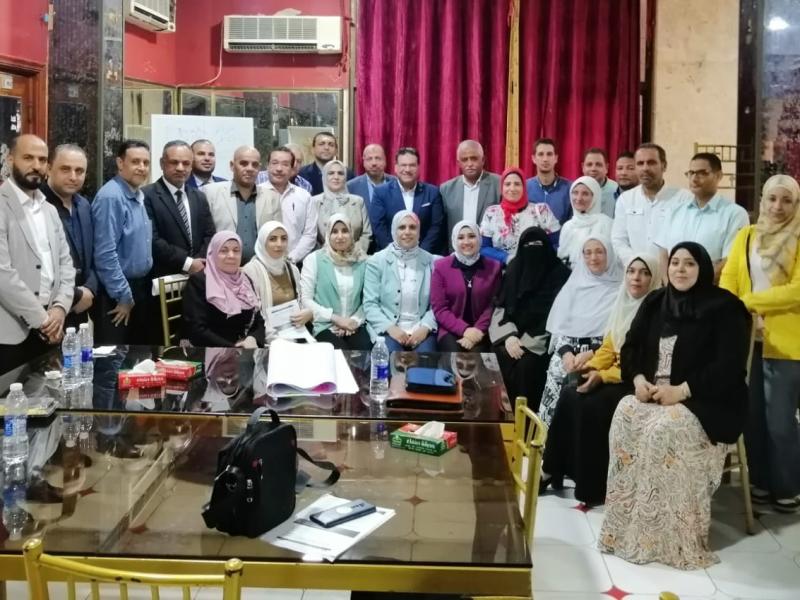
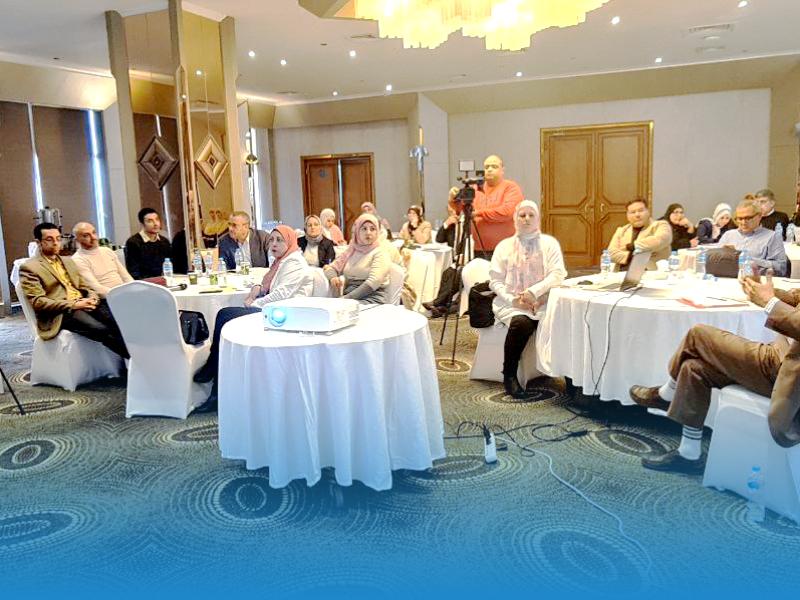
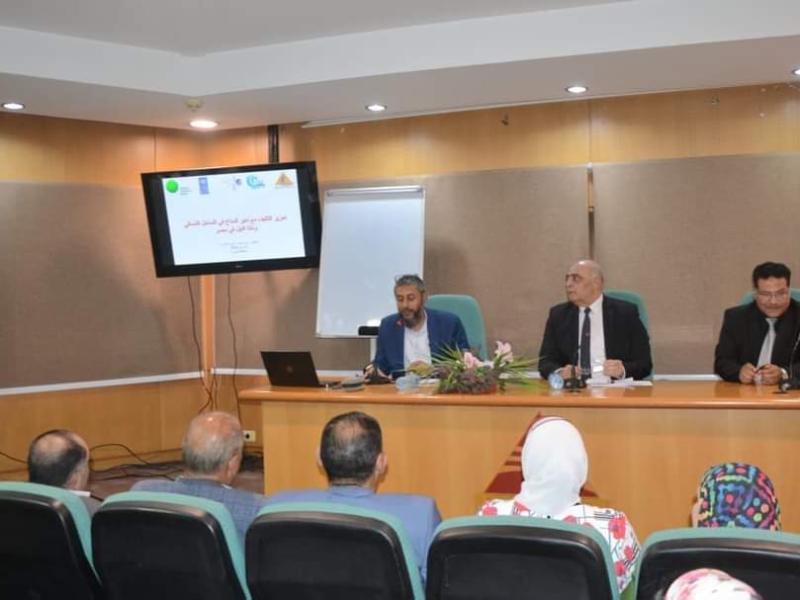
Major General Khaled Shoaib, Governor of Matrouh, witnessed today, Sunday, at the Misr Public Library Hall, the launch of the "Second Pilot Project" within the Integrated Coastal Zone Management (ICZM) plan. This initiative is part of the project titled "Enhancing Climate Change Adaptation in the North Coast and Nile Delta Regions in Egypt" (ECCADP).
The event was attended by Eng. Hussein Al-Sunaini, Assistant Secretary-General; Dr. Mohamed Ahmed Ali, Project Executive Director; Dr. Abeer Al-Saharty; and Dr. Yousry El-Koumy, Strategic Planning and Governance Expert, alongside city mayors and heads of executive agencies in the governorate.
A Strategic Vision to Counter Marine Risks Governor Khaled Shoaib expressed his appreciation for selecting Matrouh as the second pilot station for this vital project, emphasizing that the objective is to formulate a comprehensive strategic plan for the governorate that accounts for risks resulting from sea-level rise (SLR), such as:
-
Coastal erosion and shoreline retreat.
-
Coastal flooding risks.
-
Seawater intrusion into soil and its impact on groundwater.
The Governor explained that these efforts align with Egypt Vision 2030, noting the issuance of Decree No. 553 of 2025 to establish the Integrated Coastal Zone Management Committee and its technical secretariat to ensure full coordination among all stakeholders.
Balancing Development and Environment The Governor stressed that the greatest challenge lies in achieving a delicate balance between the requirements of the comprehensive development witnessed in Matrouh—along a coastline spanning 450 km down to the Siwa Depression—and the necessity of preserving biodiversity and ecological balance, especially in light of the unprecedented national projects prioritized by the political leadership in this region.
From Damietta to Matrouh: A Knowledge Map until 2100 For his part, Dr. Mohamed Ahmed Ali, Project Executive Director, stated that the success of the first pilot in Damietta Governorate contributed to creating a comprehensive "Knowledge Map" of climate risks, which is currently being integrated into all sectoral development schemes. He pointed out that the work in Matrouh aims to build a database and effective recommendations with impacts extending to the year 2100, ensuring the sustainability of investments and the protection of local communities.
The event concluded by highlighting the importance of exchanging expertise among participants to reach technical recommendations that respect the unique geographical nature of Matrouh and enhance the region's resilience against future climate challenges.
Read also
-
7 November 2024
Kafr El Sheikh Governorate Strengthens Its Capacity to Manage Coastal Crises and Disasters
-
15 December 2022
The mechanisms of an integrated coastal zone management plan begin on the ground
-
15 May 2024
Al - Behira: Governorate - Successive Meetings of Integrated Coastal Zone Management Committees in Egyptian Coastal Governorates