Under the Theme "Sustainable Blue Economy," Egypt Concludes Hosting of COP24
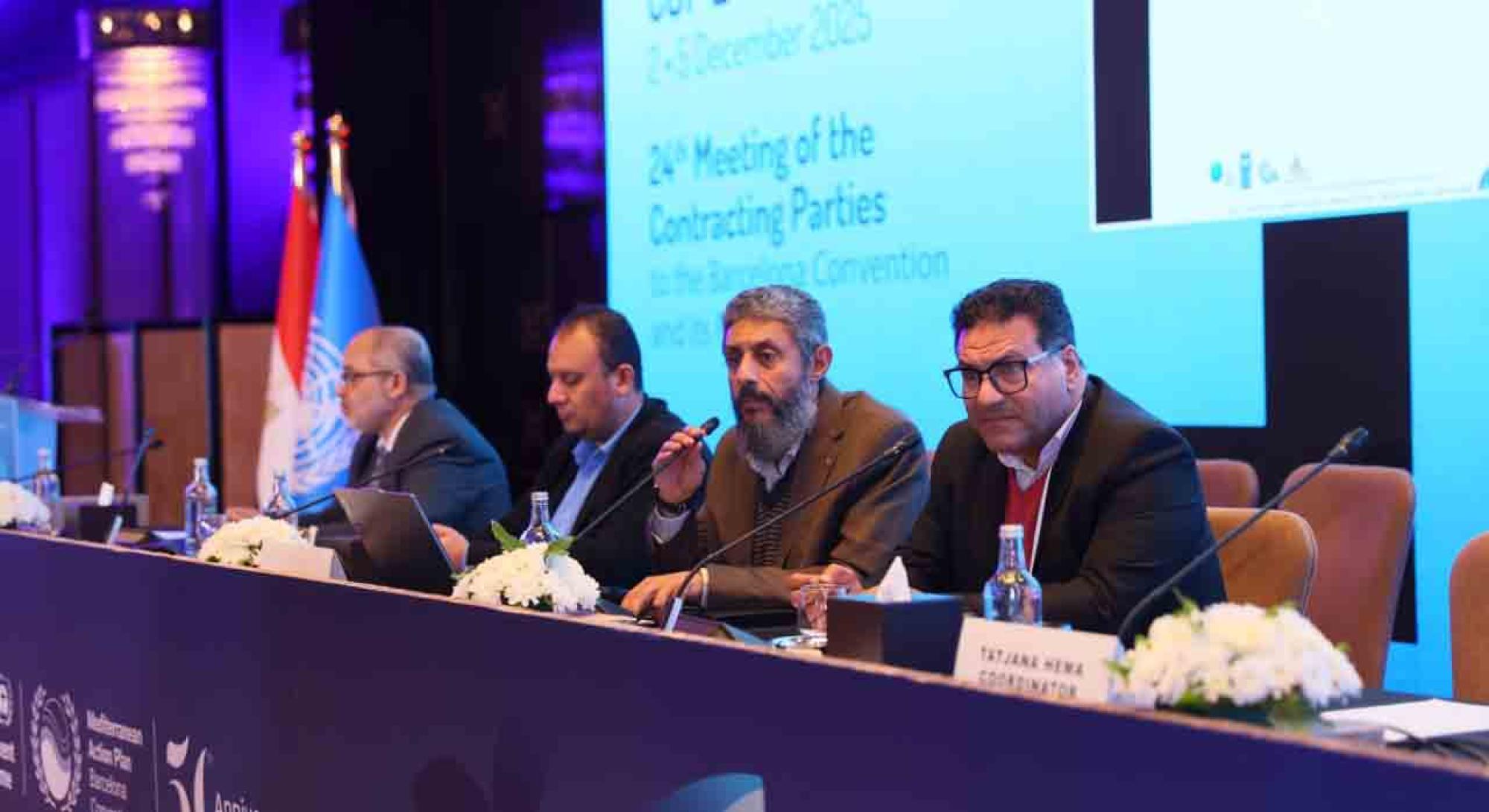
Egypt has successfully concluded its hosting of the 24th Meeting of the Contracting Parties (COP24) to the Barcelona Convention, held from December 2 to 5, 2025, with the participation of 21 countries. Within this framework, Egypt presented its innovative coastal protection solutions through the "Enhancing Climate Change Adaptation in the Nile Delta and Northern Coast of Egypt" project.
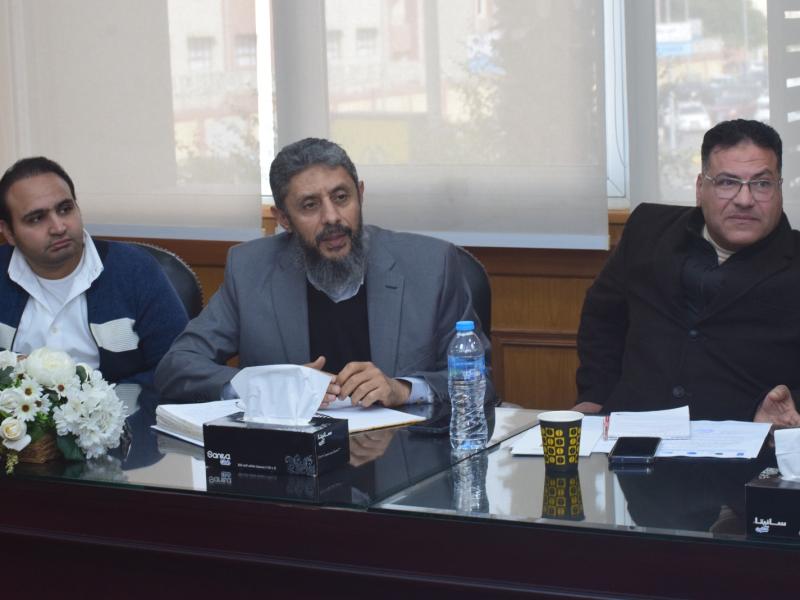
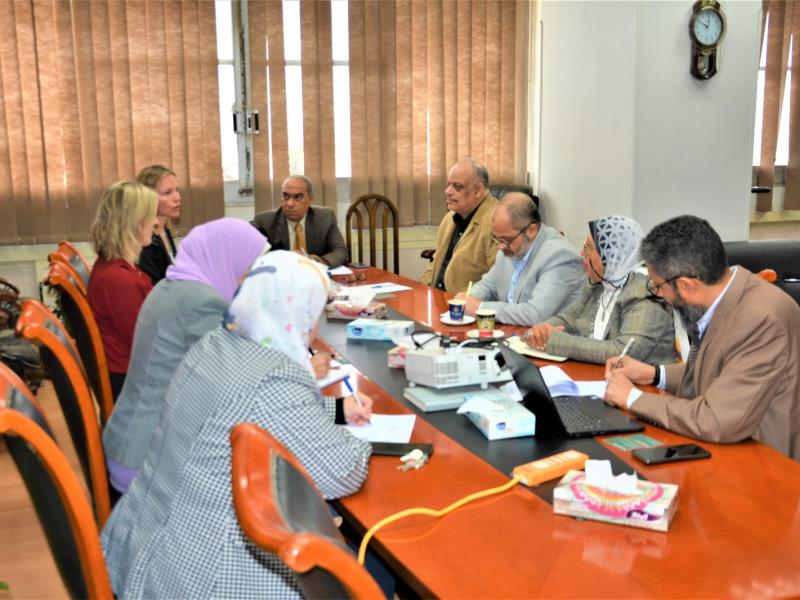
This took place during a high-level session titled "Towards Sustainable Mediterranean Coasts in Egypt," jointly organized by the Project Management (ECCADP), the United Nations Development Programme (UNDP), and the Egyptian Environmental Affairs Agency (EEAA). The session was attended by senior leadership from the Ministries of Water Resources & Irrigation and Environment, along with representatives from various international organizations, including:
Eng. Mohamed Hassan Ghattas, Chairman of the Egyptian Shore Protection Authority (SPA).
Dr. Mohamed Bayoumi, Assistant Resident Representative of the United Nations Development Programme (UNDP).
Dr. Heba Sharawy, Head of the Central Department of Coasts, Lakes, and Ports at the Ministry of Environment, Mediterranean Action Plan (MAP) Coordinator, and Technical Lead for the conference.
Dr. Mohamed Ahmed Ali, Project Executive Director.
Dr. Yousry El-Komy, Strategic Planning and Governance Consultant.
Dr. Taher Osman, Social Component Lead for the project.
Eng. Mohamed Hassan Ghattas opened the session by reviewing the protection works implemented by the Egyptian Shore Protection Authority. He highlighted both "hard" engineering structures and Nature-based Solutions (NbS), emphasizing their vital role in safeguarding the state’s coastal resources for current and future generations.
In a related context, Dr. Mohamed Bayoumi (UNDP) underscored the program's active role in supporting Egypt’s national efforts to address rapid climate changes affecting its shores. He praised the fruitful cooperation with the Ministry of Water Resources and Irrigation and the Shore Protection Authority, noting the critical funding provided by the Green Climate Fund (GCF) to support the Nile Delta adaptation project.
From her side, Dr. Heba Sharawy emphasized that climate change is a top priority and a cornerstone of Egyptian environmental and national security. She stated that the Ministry operates according to a strategy aimed at maximizing the "Blue Economy" concept by protecting marine habitats and ecosystems. Such efforts are essential to ensure environmental resilience and maintain a healthy Mediterranean Sea for future generations. She also stressed that all national measures taken to preserve the marine environment adhere to the strictest international standards to ensure global compliance and maximum effectiveness.
Regarding project-specific solutions, Dr. Mohamed Ahmed Ali reviewed the protection works completed across five Delta governorates (Kafr El-Sheikh, Port Said, Dakahlia, Damietta, and Beheira). He confirmed that adopting Nature-based Solutions (NbS) has significantly contributed to protecting citizens and infrastructure, while creating jobs and investment opportunities in a sustainable environment. Furthermore, he highlighted the new National Coastal Monitoring System, which covers 1,200 km of Egypt’s Mediterranean coast, providing accurate data that enables stakeholders to make informed decisions in coastal zone management.
Regarding Integrated Coastal Zone Management (ICZM), Dr. Yousry El-Komy explained the ICZM plan (the project’s second component). The plan addresses risks of erosion, sedimentation, and groundwater status based on scenarios extending to the year 2100 for the Delta governorates. This plan provides decision-makers with a clear vision to identify safe investment locations and mechanisms for dealing with high-risk areas.
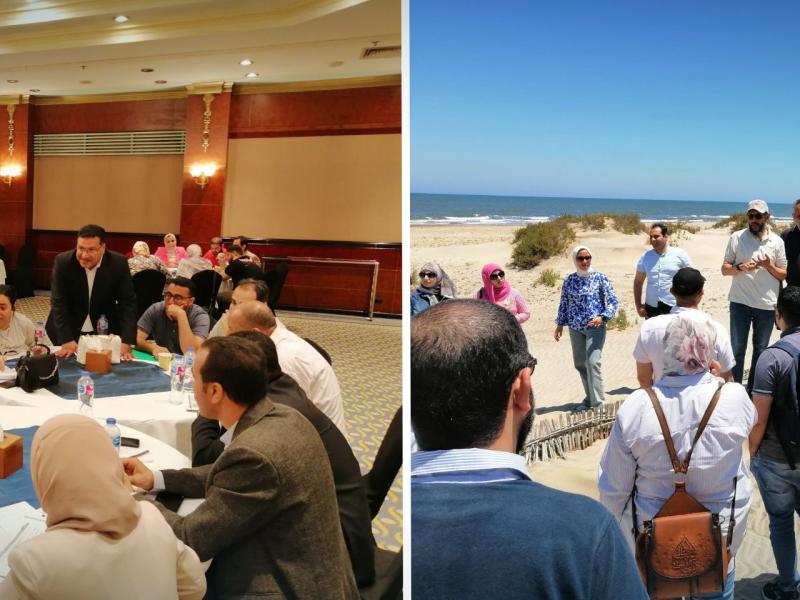
Guided by the principle that "people are the heart of development," the project’s social component focuses on enhancing the socio-economic resilience of coastal communities affected by climate change. Dr. Taher Osman showcased the progress in implementing developmental interventions and providing small-scale projects to support smallholder farmers, fishermen, and citizens in Kafr El-Sheikh (Motobas and Baltim). This work is conducted through effective partnerships with civil society organizations, such as the Misr El-Kheir Foundation and the Desert Research Center, with the primary goal of elevating living standards and improving livelihoods in parallel with the project’s protection measures.